Zero-Waste Living: Small Changes, Big Impact sets the stage for this enthralling narrative, offering readers a glimpse into a story that is rich in detail and brimming with originality.
Transition into providing a brief overview of the topic
Definition of Zero-Waste Living
Zero-waste living is a lifestyle focused on reducing the amount of waste we produce, aiming to minimize our impact on the environment by reusing, recycling, composting, and avoiding single-use items. It involves making conscious choices to limit the waste that ends up in landfills or oceans.
Examples of Small Changes for Big Impact
- Avoiding single-use plastic items such as straws, utensils, and water bottles by opting for reusable alternatives.
- Composting food scraps to reduce methane emissions from landfills and create nutrient-rich soil for gardening.
- Choosing products with minimal or recyclable packaging to reduce waste from excessive packaging materials.
- Repairing or upcycling old items instead of throwing them away to extend their lifespan.
The Importance of Reducing Waste in Daily Life
Reducing waste in daily life is crucial for preserving the environment and combating climate change. By minimizing the amount of waste we generate, we can conserve natural resources, reduce pollution, and protect ecosystems for future generations. It also helps in reducing greenhouse gas emissions associated with waste disposal and production processes.
Benefits of Zero-Waste Living
Embracing a zero-waste lifestyle not only benefits the environment but also has positive implications for personal health and financial well-being.
Environmental Benefits
- Reduces landfill waste and minimizes pollution
- Conserves natural resources like water, energy, and raw materials
- Decreases greenhouse gas emissions, combating climate change
Financial Advantages
- Saves money by buying products in bulk and avoiding single-use items
- Encourages mindful consumption, leading to reduced overall spending
- Promotes DIY solutions and upcycling, cutting down on unnecessary purchases
Impact on Personal Health
- Reduces exposure to harmful chemicals found in many conventional products
- Promotes a more active lifestyle through practices like composting and gardening
- Improves mental well-being by fostering a sense of purpose and connection to the environment
Practical Tips for Zero-Waste Living
Living a zero-waste lifestyle is not as daunting as it may seem. By making small changes in our daily routines, we can significantly reduce our environmental impact. Here are some practical tips to help you start your journey to zero waste:
Transitioning to a Zero-Waste Lifestyle
Starting your zero-waste journey can be overwhelming, but it's essential to take it one step at a time. Here's a guide to help you transition smoothly:
- Audit your current waste: Take a look at your household trash to identify areas where you can reduce waste.
- Swap disposable items: Replace single-use items like plastic bags, straws, and water bottles with reusable alternatives.
- Embrace composting: Set up a compost bin for food scraps to reduce waste sent to landfills.
- Shop consciously: Opt for package-free or bulk items when grocery shopping to minimize packaging waste.
- Reduce food waste: Plan meals, store leftovers properly, and use up ingredients to avoid throwing away food.
Sustainable Alternatives for Common Household Items
Switching to sustainable alternatives for everyday household items can significantly reduce waste. Here are some eco-friendly swaps:
- Beeswax wraps instead of plastic cling film
- Bamboo toothbrushes instead of plastic ones
- Reusable cloth napkins instead of paper towels
- Bar soap or shampoo bars instead of bottled products
- Reusable menstrual products like menstrual cups or cloth pads
Reducing Waste in Different Areas of Life
Reducing waste in various aspects of your life can make a big difference. Here's a step-by-step plan for minimizing waste in key areas:
| Kitchen: | Use glass containers for storing food instead of plastic wrap or bags. |
|---|---|
| Bathroom: | Switch to package-free toiletries like shampoo bars and refillable soap dispensers. |
| Shopping: | Bring your reusable bags and containers when shopping to avoid single-use packaging. |
Challenges and Solutions
Living a zero-waste lifestyle comes with its own set of challenges, especially in a world where convenience often trumps sustainability. One of the main obstacles is the prevalence of single-use plastics and packaging in our daily lives, making it difficult to avoid waste altogether.
However, with some innovative solutions and a collective effort from communities, these challenges can be overcome to make a significant impact on reducing waste.
Challenge: Single-Use Plastics
Single-use plastics are a major contributor to environmental pollution and waste. From plastic bags to disposable water bottles, these items are everywhere and can be tough to avoid
- Invest in reusable alternatives such as metal or glass water bottles, cloth shopping bags, and stainless steel straws to reduce reliance on single-use plastics.
- Support businesses and initiatives that promote sustainable packaging and plastic-free alternatives.
- Advocate for policies that restrict the use of single-use plastics in your community.
Challenge: Food Waste
Food waste is another significant challenge when trying to live a zero-waste lifestyle. From overbuying groceries to improper storage, food waste contributes to environmental problems and resource depletion.
- Plan your meals and grocery shopping to avoid buying more food than necessary.
- Use food scraps for composting or create meals with leftovers to minimize waste.
- Support local food banks or community fridges to redistribute excess food and reduce food waste in your area.
Community Support for Zero-Waste Initiatives
Communities play a vital role in supporting zero-waste initiatives and creating a more sustainable future. By coming together and sharing resources, knowledge, and ideas, individuals can make a collective impact on reducing waste.
- Organize community clean-up events to raise awareness about waste pollution and encourage proper waste disposal practices.
- Create sharing networks for items that can be reused or repurposed, such as clothing swaps or tool libraries.
- Educate and empower others in your community to adopt zero-waste practices through workshops, seminars, or online resources.
Impact on the Environment
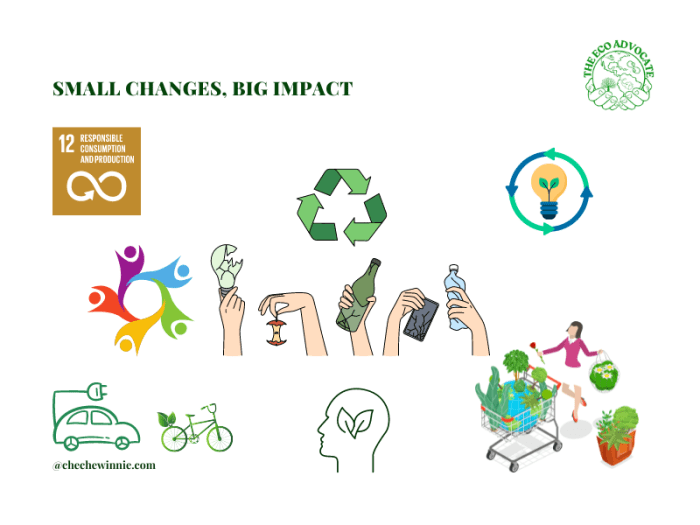
Living a zero-waste lifestyle can have a significant impact on the environment by reducing the amount of waste that ends up in landfills and incinerators. Everyday products such as single-use plastics, packaging materials, and electronic waste contribute to pollution, resource depletion, and greenhouse gas emissions.
Environmental Impact of Everyday Products
Many everyday products we use, such as plastic bottles, food packaging, and electronic devices, have a significant environmental impact due to their production, use, and disposal. These products often require the extraction of natural resources, energy-intensive manufacturing processes, and contribute to pollution and waste generation.
Carbon Footprint Comparison
Comparing the carbon footprint of a zero-waste lifestyle versus a conventional one reveals the significant environmental benefits of reducing waste and consumption. By opting for reusable items, composting organic waste, and choosing products with minimal packaging, individuals can lower their carbon emissions and lessen their impact on the environment.
Success Stories of Zero-Waste Practices
There are many inspiring success stories of individuals and communities making a significant impact through zero-waste practices. From reducing plastic waste in oceans to promoting sustainable living practices, these stories highlight the positive outcomes that can result from adopting a zero-waste lifestyle.
Future of Zero-Waste Living
The future of zero-waste living looks promising as more individuals and communities embrace sustainable practices to reduce waste and protect the environment. Advancements in technology, changes in consumer behavior, and potential policy changes are expected to play a significant role in shaping the future of the zero-waste movement.
Role of Technology in Promoting Sustainable Living Practices
Technology is expected to continue playing a crucial role in promoting sustainable living practices. Innovations such as smart waste management systems, composting apps, and sustainable packaging solutions are likely to become more accessible and widespread. These technological advancements can help individuals and businesses track their waste production, make informed decisions, and reduce their environmental impact.
Potential Policy Changes for Widespread Adoption of Zero-Waste Principles
Policy changes at the local, national, and global levels can also encourage widespread adoption of zero-waste principles. Governments may implement regulations that incentivize waste reduction, promote recycling and composting, and hold businesses accountable for their environmental footprint. By creating a supportive policy environment, more individuals and organizations may be motivated to prioritize sustainability and embrace zero-waste practices.
Ultimate Conclusion
Conclude the discussion with a captivating summary and final thoughts
Top FAQs
How can I start transitioning to a zero-waste lifestyle?
To start, focus on reducing single-use plastics, composting organic waste, and shopping in bulk with reusable containers.
What are some sustainable alternatives for common household items?
You can switch to reusable cloth bags instead of plastic bags, use stainless steel straws instead of plastic ones, and opt for refillable cleaning products.
How can communities support zero-waste initiatives?
Communities can organize clean-up events, set up community composting programs, and advocate for local policies that promote waste reduction.